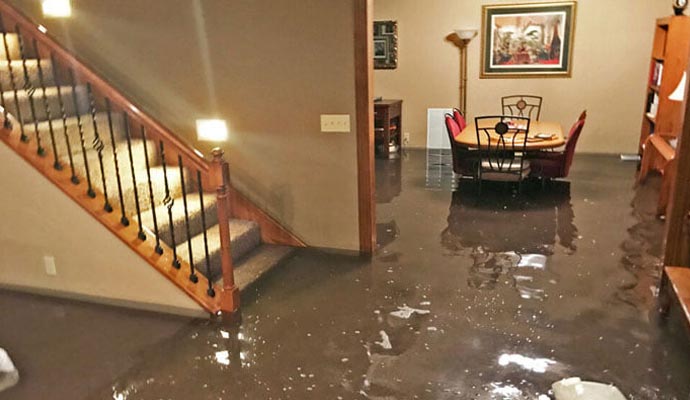
Flooding can strike unexpectedly in Bluffdale, leaving homeowners facing costly damage and safety hazards. Acting quickly in the first 24 hours is crucial to minimize property loss, prevent mold, and safeguard your family. In this guide, we’ll break down the essential steps homeowners should take from securing safety and documenting damage to water extraction and contacting professionals. Following these steps can save thousands in repairs and set your restoration on the right path.
1. Ensure Safety First
Your personal safety comes before any property concerns. During flooding:
- Avoid standing water, which may be electrically charged.
- Turn off electricity and gas if safe to do so.
- Keep children and pets away from flooded areas.
- Wear protective gear if entering affected spaces — gloves, boots, and masks are recommended.
Never underestimate hazards like contaminated water, weak flooring, or unseen structural damage. Staying safe is step one in preventing injuries or further complications.
2. Document the Damage Immediately
Before removing any items, take photos and videos of affected areas. Documentation is essential for:
- Insurance claims
- Restoration planning
- Legal purposes if needed
Include images of all rooms, floors, walls, furniture, and valuables. Keep a detailed list of damaged items, including brand, model, and approximate value. Clear documentation accelerates insurance approval and ensures a smooth restoration process.
3. Contact Your Insurance Company
Notifying your insurance provider promptly is crucial. Most policies require immediate reporting for flood damage claims. When calling your insurer:
- Provide clear descriptions of the damage
- Share photos or videos you’ve documented
- Ask about coverage, deductibles, and emergency repairs
- Clarify the timeline for adjusters to visit your property
Having a professional guide you through claims can save time and reduce stress.
4. Remove Water Safely
Standing water causes immediate damage and creates ideal conditions for mold growth. If safe:
- Use a pump, wet/dry vacuum, or buckets for water removal
- Remove rugs, furniture, and personal items to a dry area
- Open windows and doors to encourage airflow
- Consider renting commercial-grade equipment for large floods
For serious flooding, leave water extraction to professionals to avoid structural damage or electrical hazards.
5. Dry and Dehumidify Your Home
Once standing water is gone, drying your property is critical. Moisture trapped in walls, floors, and insulation can lead to mold within 24–48 hours. Key steps include:
- Remove wet drywall or insulation if soaked
- Set up fans and dehumidifiers to improve airflow
- Elevate furniture off wet floors if possible
- Monitor humidity levels until fully dry
Complete drying prevents long-term damage and protects indoor air quality.
6. Salvage What You Can
After water removal and initial drying, focus on salvaging belongings:
- Separate items into categories: keep, discard, or repair
- Upholstery, electronics, and documents may require specialized cleaning
- Porous materials like mattresses or carpets often cannot be restored
Properly handling salvageable items reduces replacement costs and preserves family memories.
7. Call a Professional Flood Damage Restoration Service
While homeowners can take immediate steps, professional restoration ensures:
- Complete water extraction and drying
- Mold prevention and remediation
- Structural repairs
- Cleaning and sanitization of all affected surfaces
Flood damage restoration experts have the equipment and experience to prevent secondary damage, save valuable possessions, and restore your home to a safe, livable condition.
Why Acting Quickly Matters
The first 24 hours after flood damage are crucial. Delays increase the risk of:
- Mold and mildew growth
- Permanent structural damage
- Electrical hazards
- Higher repair costs
Following the steps above protects your home, accelerates insurance processing, and ensures a smoother restoration process.
FAQs About Flood Damage in Bluffdale
Q1: How quickly should I remove water after a flood?
A: Immediate removal within 24 hours is critical to prevent mold growth and structural damage.
Q2: Can I handle flood cleanup myself?
A: Small, localized flooding may be manageable, but significant water intrusion should always involve professionals for safety and proper restoration.
Q3: Will insurance cover flood damage in Bluffdale?
A: Coverage varies depending on your policy. Homeowners insurance usually covers water damage from certain sources, but flood-specific insurance may be required for natural flooding.
Q4: How can I prevent mold after a flood?
A: Rapid drying, removing wet materials, and professional cleaning are essential to prevent mold growth.
Q5: What is the average cost of flood damage restoration?
A: Costs vary based on the severity, square footage, and extent of damage. Professional assessment ensures accurate repair estimates.
Conclusion
Dealing with flood damage in Bluffdale can be overwhelming, but immediate action in the first 24 hours makes a world of difference. From ensuring safety, documenting damage, and removing water to calling a professional restoration team, each step protects your home, health, and wallet.
At Complete Construction, we specialize in flood damage restoration that gets homes back to their pre-flood condition quickly and safely. Our team handles water extraction, drying, mold prevention, structural repairs, and complete cleanup — providing peace of mind when you need it most.
📞 Contact Complete Construction today to schedule an emergency consultation and restore your home after flood damage in Bluffdale.